MAGAZINE
Influencer: an old profession with a new name
We call them influencers, and the word often makes people frown. Yet humanity has never stopped offering advice, introducing people to new things, and sparking interest. Here’s where they came from, what they bring us, what you should know about them, and why the word deserves a better reputation.
What is an influencer?
An influencer is someone who regularly publishes on a medium they run themselves (a video channel, photo account, livestream, blog) and gathers a sufficiently loyal audience to shape its tastes, purchases, or ideas. The difference between an influencer and a celebrity can be summed up in one sentence: celebrities are known for something else—a film, a goal, a song—while influencers are known for what they publish. The two often overlap, as Terondo’s Influencers page shows: it features footballers and singers, as well as cooks and science communicators who would not exist without their cameras.
Long before the internet
In 1765, Queen Charlotte of England orders a tea service from the potter Josiah Wedgwood. He immediately turns it into a selling point: his earthenware becomes «Queen's Ware», the queen’s tableware, and all polite society wants the same. A century later, actress Lillie Langtry lends her face to Pears soap, becoming one of the first celebrities to endorse a product for pay. In 1929, in New York, publicist Edward Bernays has young women march with cigarettes in hand and renames them «torches of freedom»: he isn’t selling tobacco; he’s selling an image.
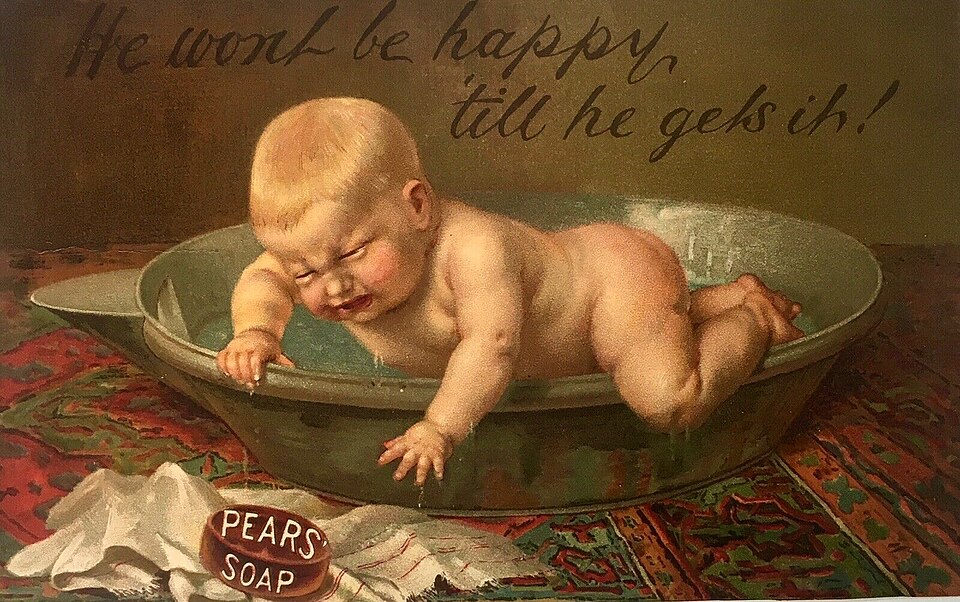
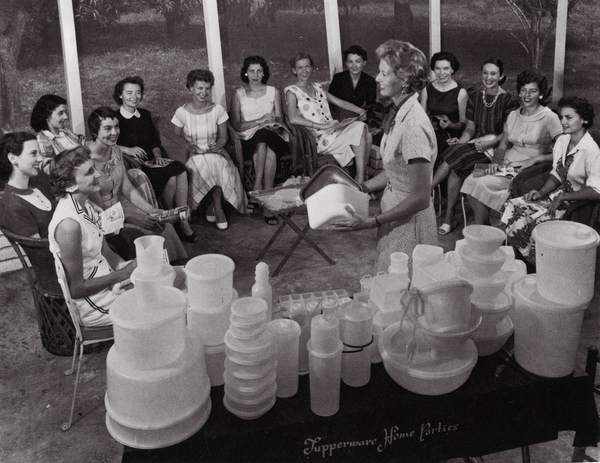
Researchers gave this mechanism a name. During the 1940 U.S. presidential election, sociologist Paul Lazarsfeld observed that voters were less likely to make up their minds in front of the radio than by listening to a few people close to them whose opinions they respected: «opinion leaders». The message traveled in two stages, from the media to these intermediaries, then from them to their circles. Tupperware parties in the 1950s made the same point: people are more likely to buy from a neighbor than from a poster. Influence is word of mouth with a megaphone.
What the internet changed
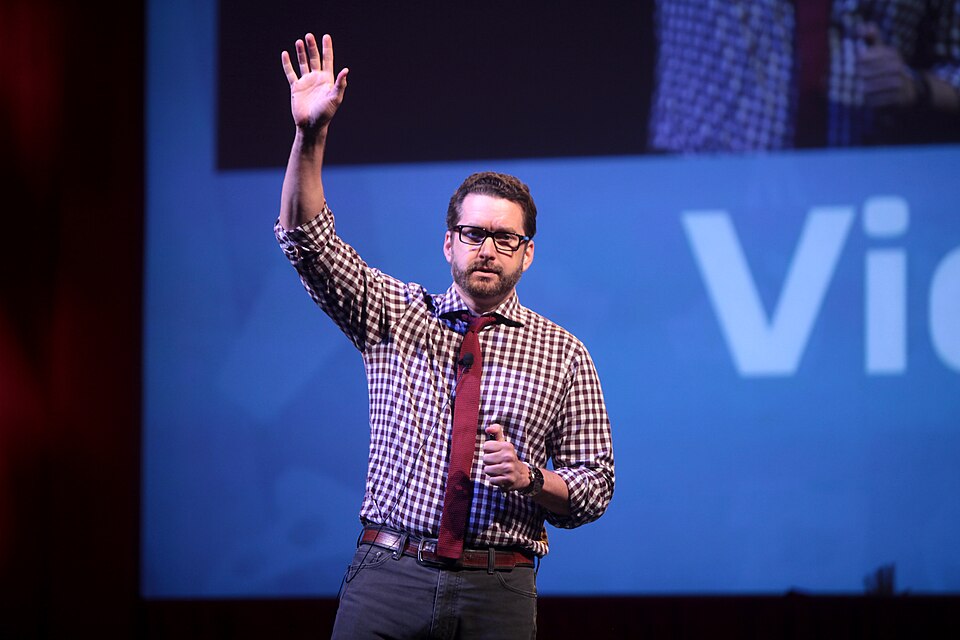
The megaphone, as it happens, changed hands. In the mid-2000s, fashion and cooking blogs let anyone publish without an editor. YouTube launched in 2005, Instagram in 2010, Twitch in 2011, and TikTok took hold around the world from 2018 onward. Three things changed: anyone could become their own media outlet, audiences could be measured down to the last number, and brands could pay the person speaking directly, without going through a newspaper or television channel. Lazarsfeld’s opinion leader had a few dozen people close to them; some of the influencers featured on Terondo have several hundred million followers. It has become a profession, with agencies, contracts, and trade shows.
The downsides, straight up
This profession has its dark side. First, disguised advertising: a recommendation that seems sincere but is paid for, without saying so. Then dangerous promotions: financial investments promising riches, betting, cosmetic injections, products sold for three times their price and sometimes never delivered. In France, the word «influvoleurs» appeared in 2022 to describe these scams; it blends «influenceurs» (influencers) and «voleurs» (thieves). There is also the purchase of fake followers, edited images that create impossible bodies, constant pressure to post, misinformation that spreads faster than its correction, and children filmed every day by their parents, sometimes at the expense of their privacy.
The laws eventually caught up. Since 2020, France has regulated the commercial use of children’s images on platforms. Its law of June 9, 2023, requires «advertising» or «commercial collaboration» to be clearly displayed, edited images to be disclosed, and bans certain promotions, such as cosmetic surgery. In Switzerland, the Swiss Fairness Commission reiterates the same principle: paid communication must be recognizable as such. A good rule of thumb wherever you are: when a post urges you to buy quickly, ask yourself who is paying for it.
And yet, they’re useful
Reducing influencers to their excesses would be as unfair as judging the press by its worst headlines. Science communicators have made millions of students who were bored in class fall in love with science. Cooks have made cooking accessible to people who had never turned on an oven. Athletes make people want to get off the couch, travelers open windows onto countries we may never visit, and enthusiasts keep alive subjects television ignored: knitting, chess, mechanics, a rare language.
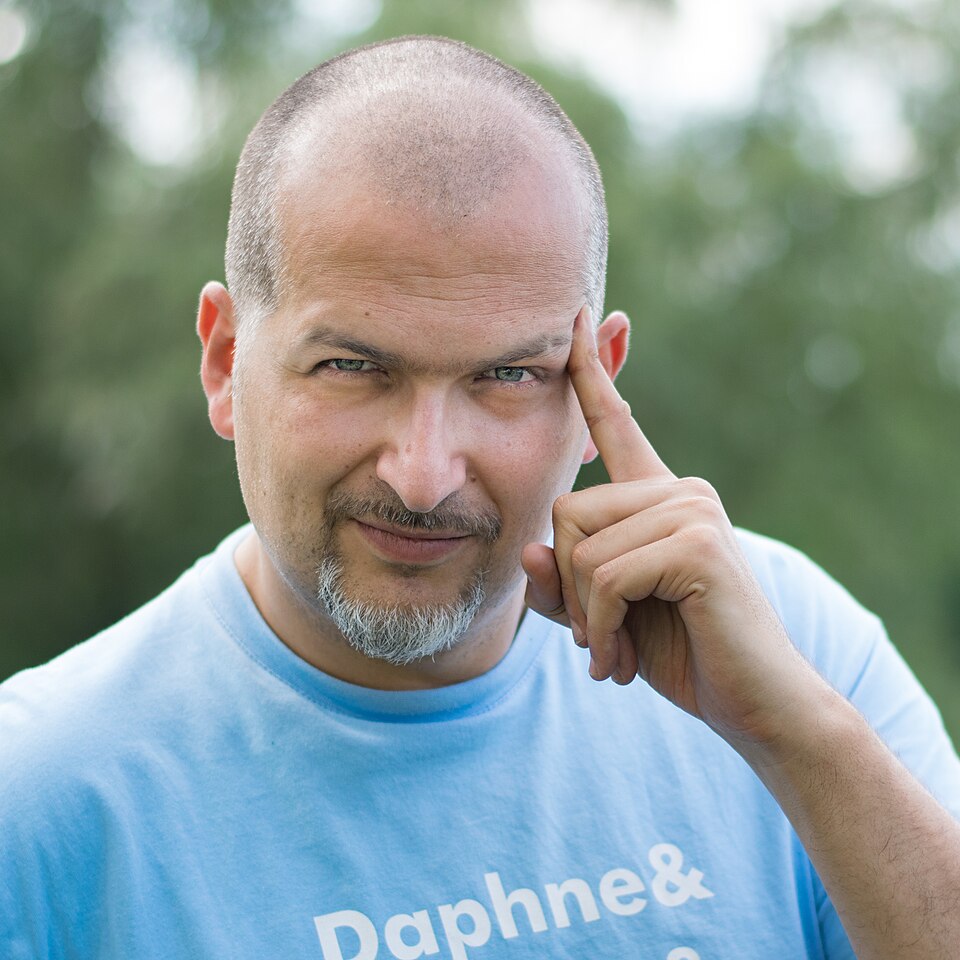
And when they mobilize, the impact is real: in France, the Z Event charity marathon raised more than ten million euros in a single weekend, in both 2021 and 2022.

For many people, these influencers have become what the neighborhood bookseller or favorite radio host once was: someone whose advice you follow because you’ve come to know them.
Should we keep the word?
Yes, as long as we restore its meaning. «Influencer» has a bad reputation because it is reduced to advertising. But the best do more than spark desire: they are testers, who try things before recommending them; experts, who know their subject better than anyone; and guides, who share an experience no one else could tell in their place. Other words describe parts of this work: video creator, science communicator, trailblazer. We keep «influencers» because it is the word everyone uses, and because those who carry it well deserve it.
Where to find them
The page terondo.com/decouvrir/influenceurs brings together 965 of the world’s most-followed influencers, arranged into 15 categories, each with links to their own channels. Every day, one influencer is featured; every Monday, a category to explore. And if you know one who is missing, especially someone near you, suggest them: the page is made to grow.
The Terondo editorial team
Image credits : 1. Pears' Soap, Public domain, Wikimedia Commons ; 2. State Library and Archives of Florida, Public domain, Wikimedia Commons ; 3. Gage Skidmore from Peoria, AZ, United States of America, CC BY-SA 2.0, Wikimedia Commons ; 4. Antoine Lamielle, CC BY 4.0, Wikimedia Commons ; 5. Mickaël Schauli, CC BY-SA 4.0, Wikimedia Commons.


