MAGAZINE
Nine months between two summers to plan and act
Opinion
by Marie-Christine Corfù
This is the first text I’ve written with the help of artificial intelligence. To be clear: the ideas, convictions and corrections are mine — I wrote them by hand, then reread them. AI helped me shape them. I’m signing this text and taking responsibility for it.
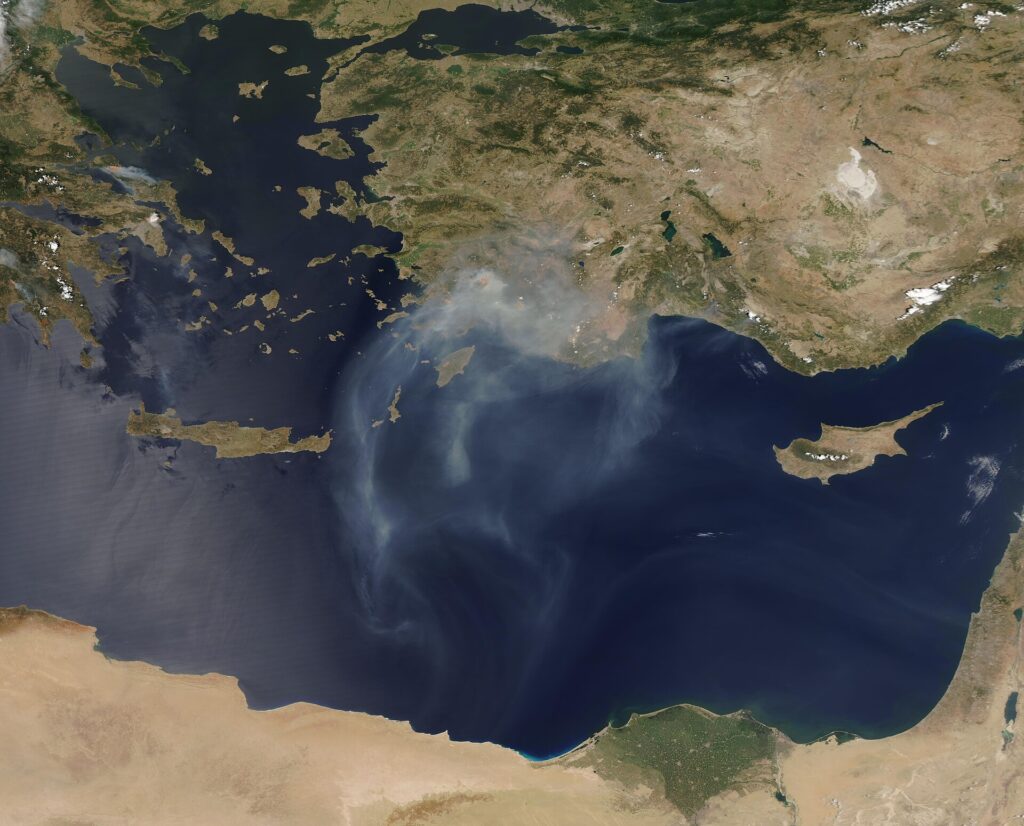
Nine months… Nine months?
To prevent as much as possible such an ecological, economic — and above all human — disaster.
What can we learn from this summer of 2026?
There are already too many climate disasters and devastating hazards that are so difficult to avoid, and that also weaken people and the nature they need so much. For us, and for those who will follow us: our children and grandchildren.
I wrote these lines by hand one evening, after putting down the newspaper. They asked nothing of anyone. They raised only one question that never left me: nine months.
Nine months is how long the year lasts without major fires. October, November, December, January — until the first hot spells. Nine months during which the forest waits for work that almost nobody does.
Because a wildfire is not won in August. It is won, or lost, in February — in the quiet months when nobody talks about forests anymore.
What anyone can see while walking in the woods
You don’t need to be a forester. The undergrowth is choked. Brush reaches the first branches, making perfect ladders for fire to climb into the treetops. Tracks where trucks once drove are closing over. Private plots, divided up, inherited, half-forgotten, are no longer maintained by anyone. And at the edges of housing developments, vegetation is touching the shutters.
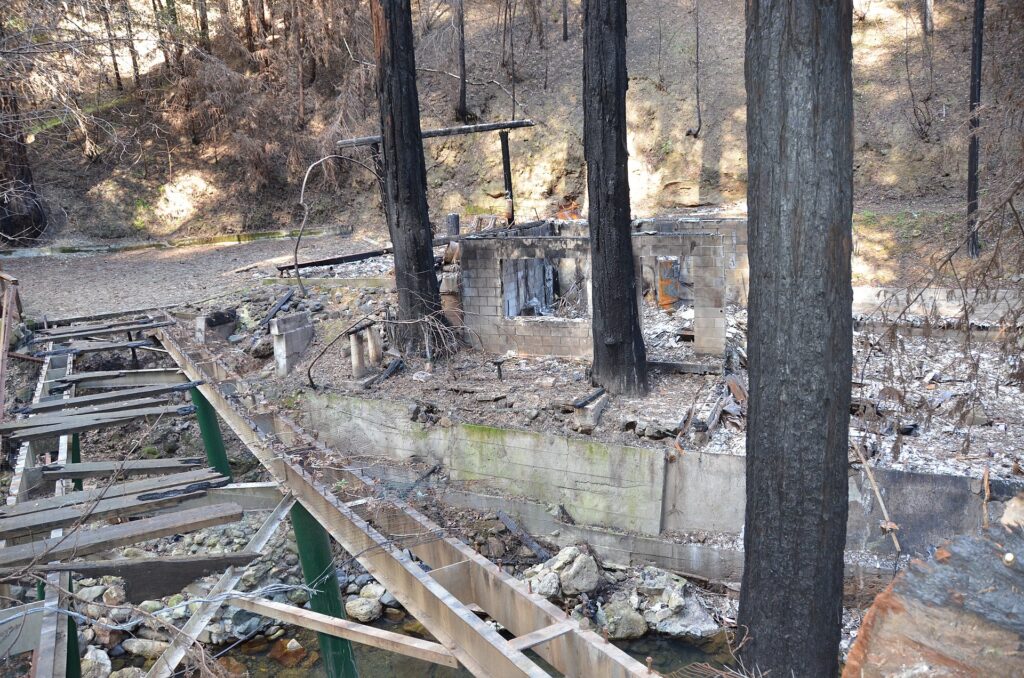
This work is nothing mysterious. It takes people, time and hands. That is precisely what is missing — while others, at the same time, are short of work.
The idea in one sentence
For nine months of the year, forests need work that nobody does; all year long, people look for jobs they cannot find. Let’s bring the two together.
Not as a punishment disguised as solidarity, but as a profession: seasonal forest-maintenance crews, hired from autumn through spring, paid, trained, equipped and supervised by professionals. A contract, a wage, a qualification at the end.
Their work would be very concrete: clear the areas around roads and homes, reopen tracks used by emergency crews, thin out overly dense undergrowth, maintain water points, and help elderly or distant landowners do what they can no longer manage alone.
Offer, never compel
The important word is offer. Supporting someone who is looking for work is right, and that must not be taken away. But offering anyone who wants one a useful job, fairly paid, that leaves them with a skill and leaves the forest standing — that is better than waiting.
Compulsion would turn a profession into a penalty. And you don’t hand a chainsaw to someone on a steep slope after forcing them to go there. Here, volunteering is not a courtesy: it is a condition of safety.
The calculation is simple, and holds in every climate. One hectare that burns costs hours of aircraft flights, columns of reinforcements, compensation and replanting — sometimes lives. One maintained hectare costs hours of human labor, paid to people who would otherwise be waiting.
And those who would give a few weekends
Alongside these jobs are all those who would offer some of their time, and who are already everywhere: hikers, hunters, associations, residents who love their hill. They are missing a signal — concrete recognition for the hour they give. Not to buy their generosity, but to say that it counts.

Three conditions, and a fourth
Training: forestry work injures and kills people every year; it cannot be improvised. Supervision: work to a plan, under the authority of professionals, not at the whim of good intentions. Duration: a program renewed every year, not an announcement after a disaster forgotten at the first rain.
And a fourth, less technical condition: respect. These women and men would not be extras in an employment policy. They would do hard, dirty, indispensable work — whose results are never seen, since a fire that never happens does not make the headlines.
To those who will make it happen
We will know how to thank firefighters this summer. We will mean it, and they deserve it enormously. But the best way to thank them is not to applaud them in August: it is to give them, in January, a forest that is harder to burn.
None of this belongs to one country more than another. Wherever forests meet homes, and wherever people are looking for work, the same meeting is possible. Summers now resemble one another from continent to continent; so do the nine months that precede them.
The day a government — ours or another — puts this in place, it will have done more for everyone’s safety than ten plans announced in front of ashes that are still warm.
That day, I’ll take my hat off.
— Marie-Christine Corfù