MAGAZINE
The marine forecast nobody listens to for the weather
Four times a day for a century, a calm voice on British radio has recited a list of names that mean nothing to almost everyone who hears them: Dogger, Fisher, German Bight. The bulletin is for sailors. Unintentionally, it has become one of the world’s best-loved radio programmes — listened to by millions of people who have never set foot on a boat.
It always begins the same way. Gentle music, then an even voice: “And now the Shipping Forecast, issued by the Met Office on behalf of the Maritime and Coastguard Agency.” What follows is a litany of sea areas, in an unchanging order that circles the British Isles clockwise: Viking, North Utsire, South Utsire, Forties, Cromarty, Forth, Tyne, Dogger. For each, four pieces of information and nothing more: wind, weather, visibility, sometimes the state of the sea. It is all said in fewer than ten words. “Southwesterly five to seven, occasionally gale eight. Rain then showers. Moderate or good, occasionally poor.”
This economy is no aesthetic choice; it is required. The full bulletin must not exceed three hundred and fifty words, so it fits in the allotted airtime and a sailor can write it down by hand while listening. Every word has a strict technical meaning — “imminent” means within six hours, “soon” between six and twelve, “later” beyond that. Nothing is decorative. It is a functional language, polished by a century of use until it has become as dry as a pebble.

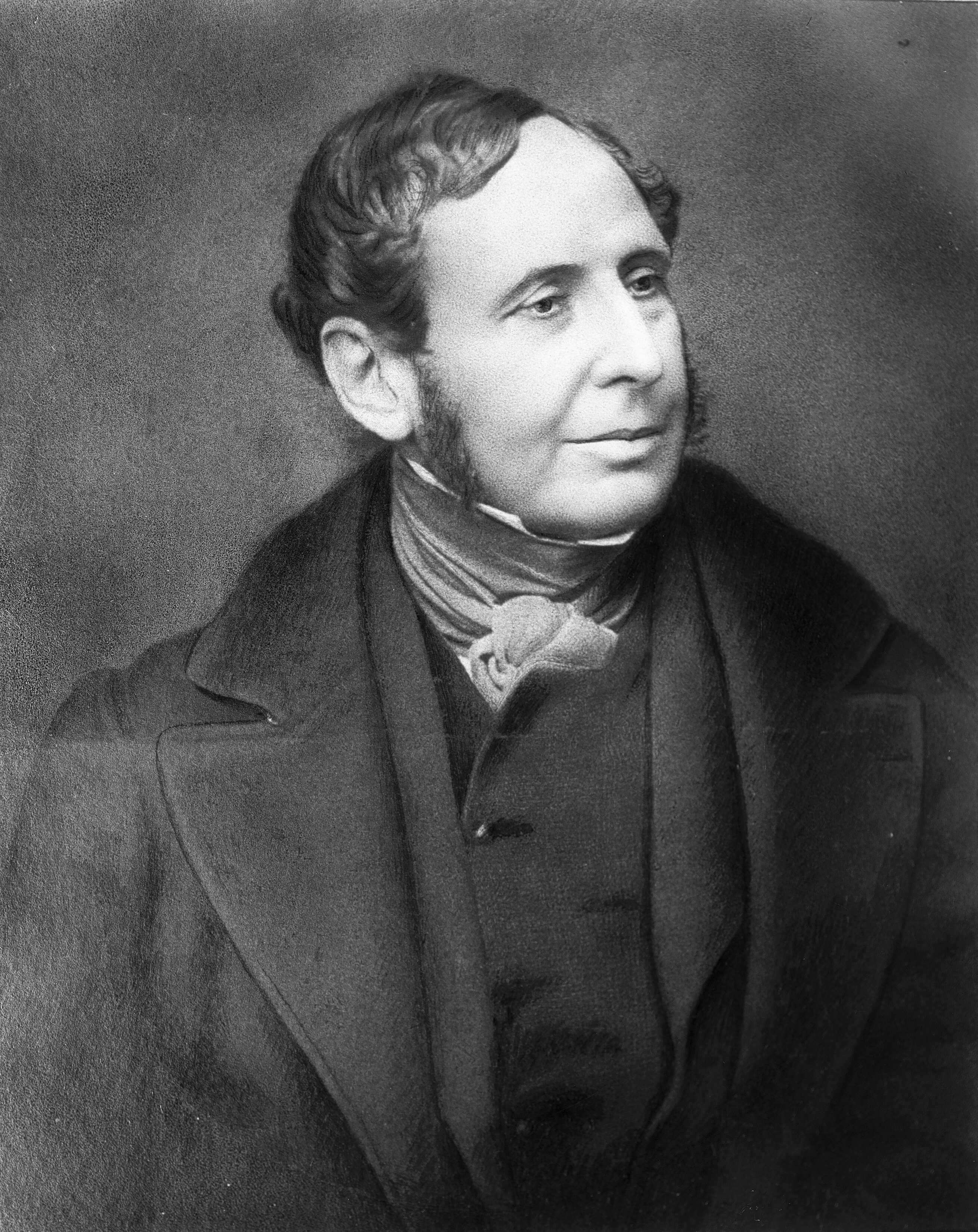
The story of this bulletin begins with a shipwreck. In October 1859, a storm sends the Royal Charter to the bottom off Wales; more than four hundred people die. A naval officer turned meteorologist, Robert FitzRoy — the same man who commanded the Beagle on which Darwin travelled — draws a conviction from it: these storms can be forecast, and sailors can be warned in time. He invents the word “forecast,” organizes a network of stations linked by telegraph, and has the first warnings published. They save lives. A sea area off the Iberian Peninsula now bears his name: FitzRoy.
Then comes radio, and with it the paradox. From the 1920s onward, the BBC broadcasts the bulletin on longwave, precisely because those waves travel far out to sea. But longwave also reaches kitchens, bedrooms and cars. Millions of listeners on land begin to hear, every night, a programme not intended for them. Many get into the habit of falling asleep to it. The last bulletin, broadcast shortly before one in the morning, has acquired a purpose nobody anticipated: a national lullaby.
One might see it as no more than a sentimental curiosity. That would miss what is really going on. The names of these areas — Dogger, Fisher, Bailey, Rockall, Malin, Lundy — draw a map listeners never see but know by heart, in order, like a nursery rhyme. Poets have taken them up, among them Seamus Heaney and Carol Ann Duffy. Musicians have sampled them. At the opening ceremony of the London Olympics in 2012, it was this very list that rang out through the stadium. An administrative text about wind strength had become a shared heritage.
Why? Perhaps because it brings together two things radio does better than any other medium: absolute regularity and distance. The bulletin always goes out at the same times, in the same words, whether the world is doing well or badly — and it talks about places where no one is getting rained on. Knowing that at this very moment a force seven wind is blowing somewhere north of Scotland, while you are warm under a duvet, produces a very particular feeling: you are safe, and you know it, because someone else is not entirely safe. The British have a word for it, and the rest of the world feels the same thing without a word.

That feeling did not disappear with satellites and weather apps. It moved elsewhere. On Terondo, thousands of radios and webcams from around the world broadcast continuously, free and without an account: a fishing harbour at night, a station speaking a language we don’t understand, a camera pointed at an empty sea. You can leave them running in the background, as some people used to leave the evening radio on. What you listen to then is not information — it is proof, repeated every night, that the world carries on somewhere without us, and that we can tune in whenever we want.
1. Frederick James Smyth, published in The Illustrated London News, 5 November 1859 — public domain — public domain
2. Photograph (c. 1910) by Charles Hemus after a lithograph by Herman John Schmidt — Alexander Turnbull Library / National Library of New Zealand — public domain — public domain
3. Harris & Ewing (1910-1920) — Library of Congress, Prints and Photographs Division — public domain — public domain
Wikimedia Commons